

Interview by Alex Colard, Photography by Vladimir Vallejos | 4 November 2026
Edited for clarity. The questions and answers follow the order of the recorded conversation.
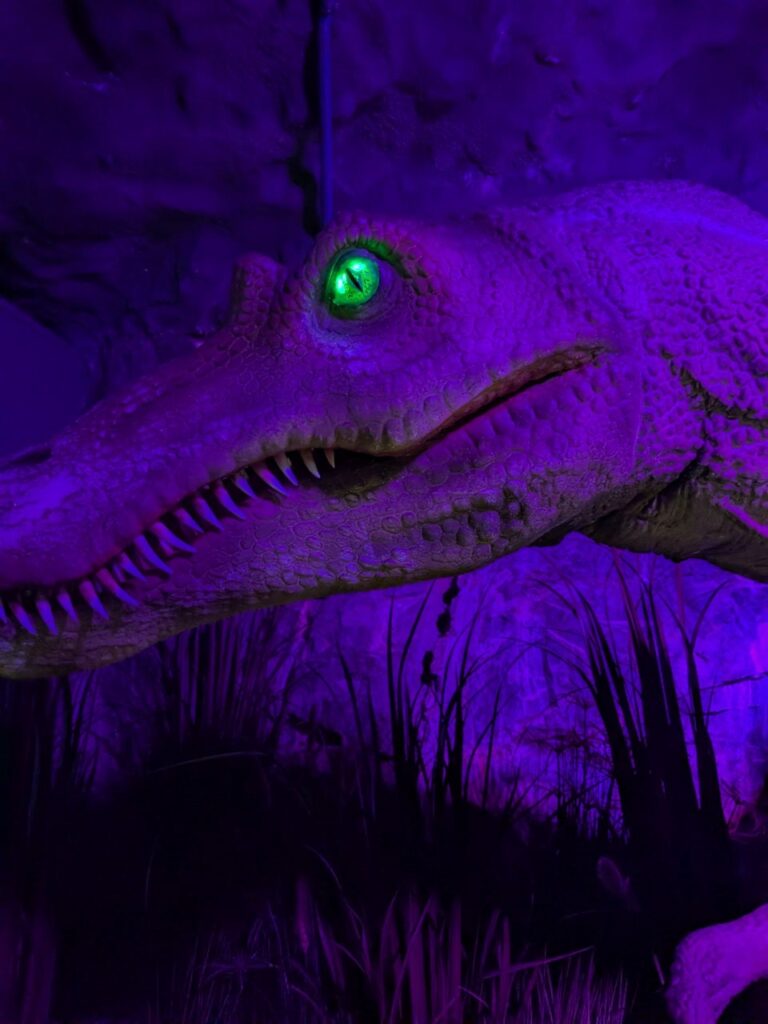
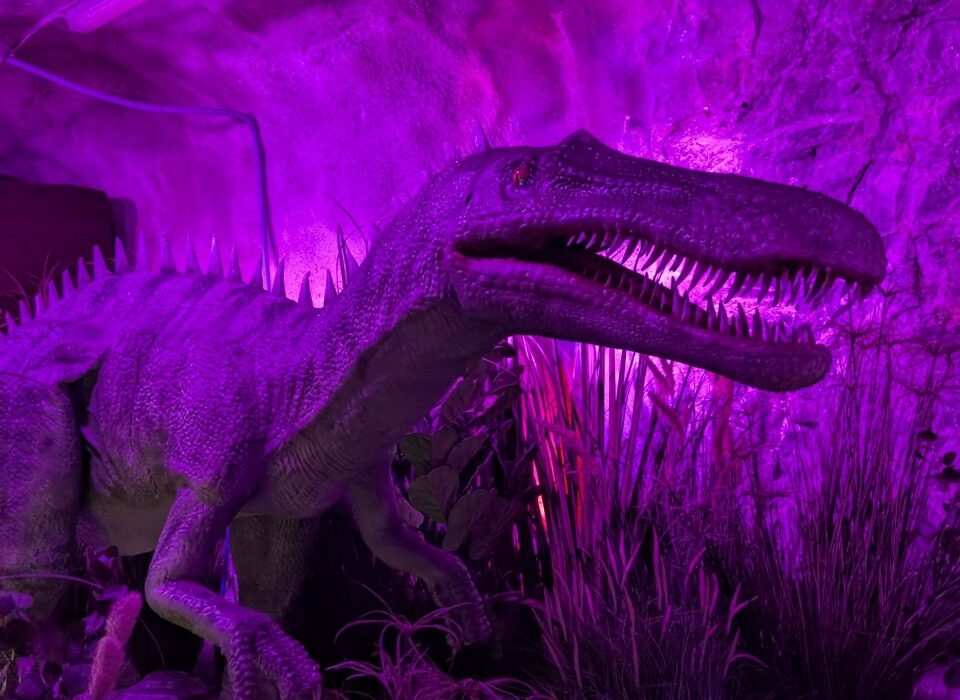
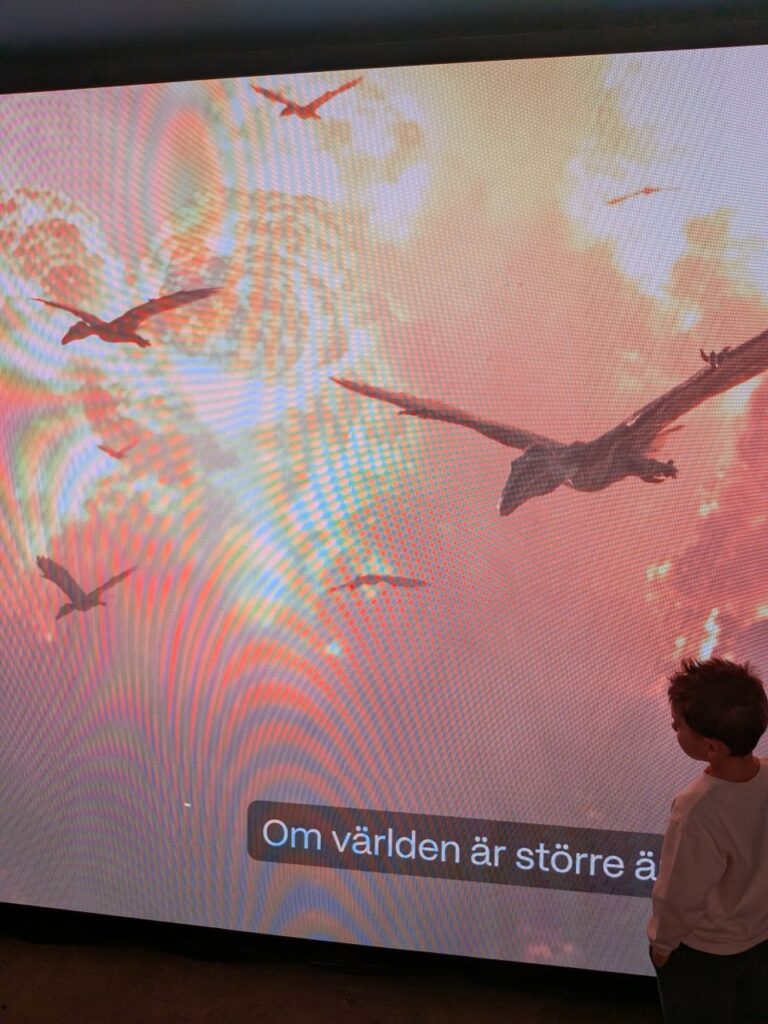
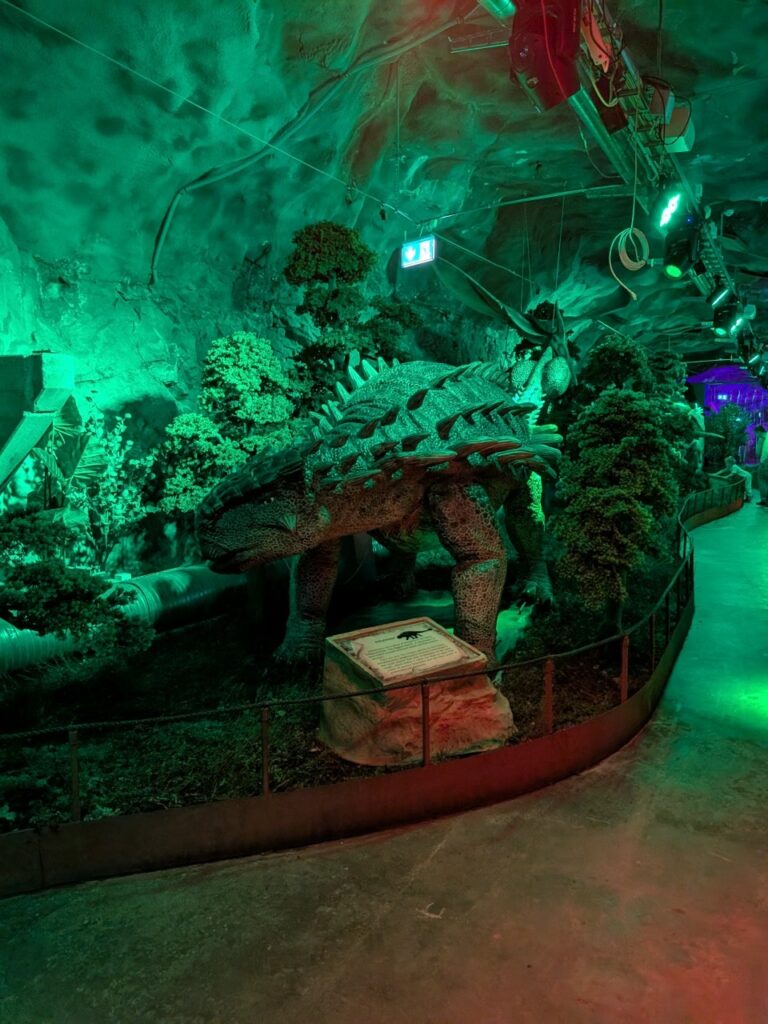
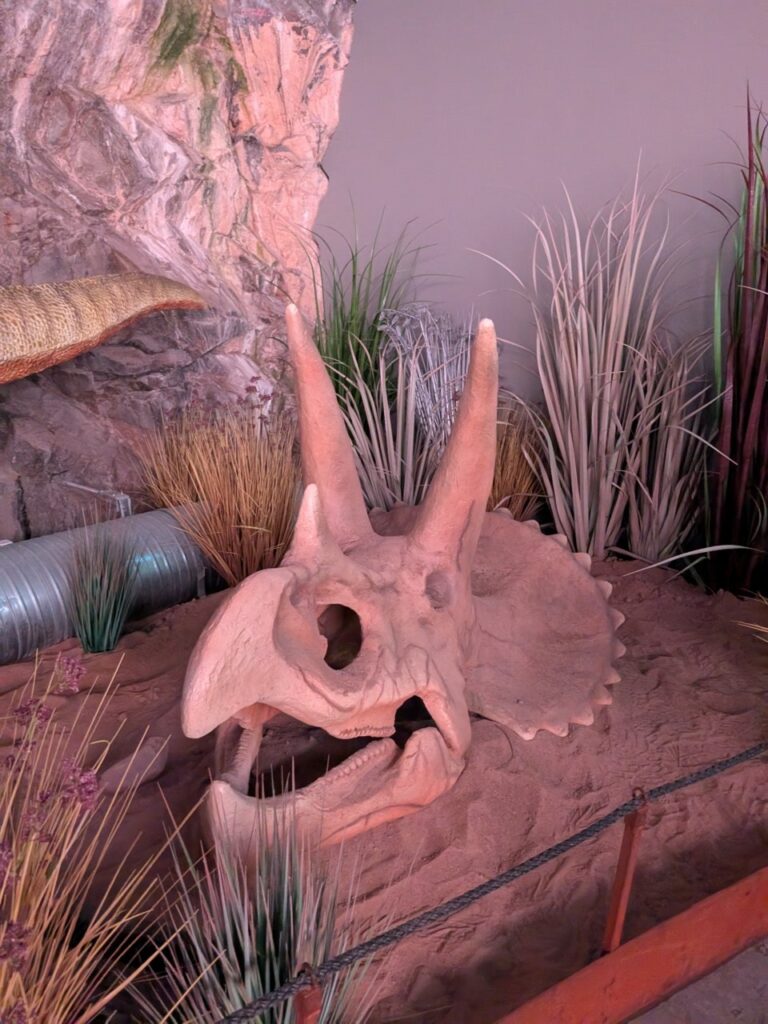
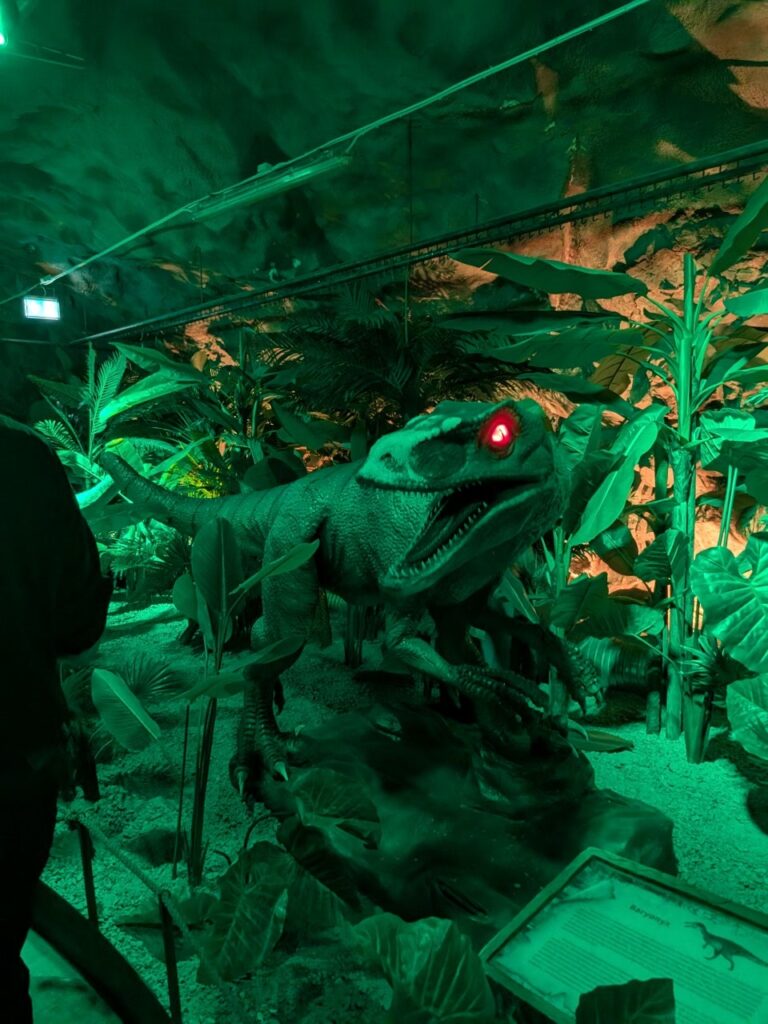
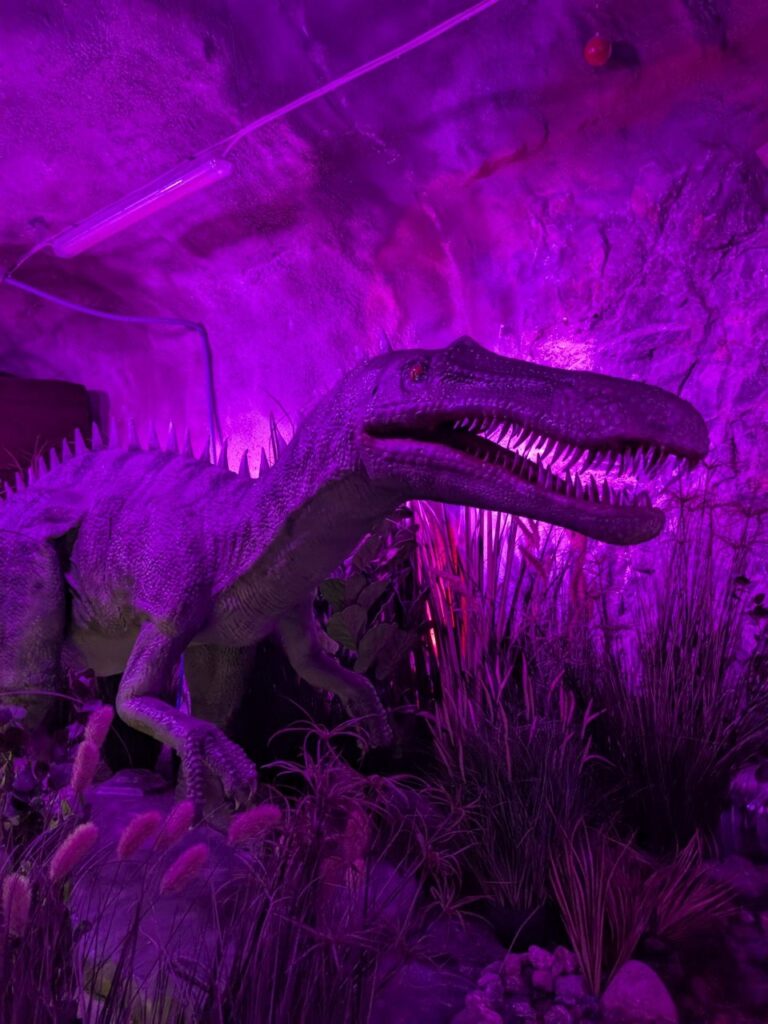
What does it take to bring a prehistoric world to life beneath Stockholm? I sat down with the founders of Dinos Experience to hear how their vision took shape inside Skeppsholmen’s caves. In the conversation below, they share the creative thinking, technology and personal stories behind the attraction, and the joy of seeing visitors connect with a world millions of years before our own. TICKETS AVAILABLE HERE > Dinos Stockholm – Tickets – dinosexperience
Alex Colard: When you’re building an experience from scratch, how do you validate demand before committing millions to the physical infrastructure?
Janne Broman: There’s no way to really measure that in advance. We look at some international figures, but they don’t necessarily tell us much about Stockholm. I’d say it’s almost impossible to do a traditional market survey for an experience because there are so many moving parts.
How do you execute the idea? What kind of location is it? How well does the marketing land? There’s a lot more to it than market size. If the experience is good enough, I think you can create your own market for almost anything.
Angelica Broman: With this project, we saw very quickly that everyone we mentioned it to was excited. The interest in dinosaurs went beyond kids. Grown-ups were excited too. In some ways, it was the easiest project we’ve ever had to get people excited about. They didn’t even know what it was going to be. Just hearing “dinosaur experience” was enough.
Alex Colard: What’s the most important measure you use to tell whether a successful attraction is also a financially sustainable business?
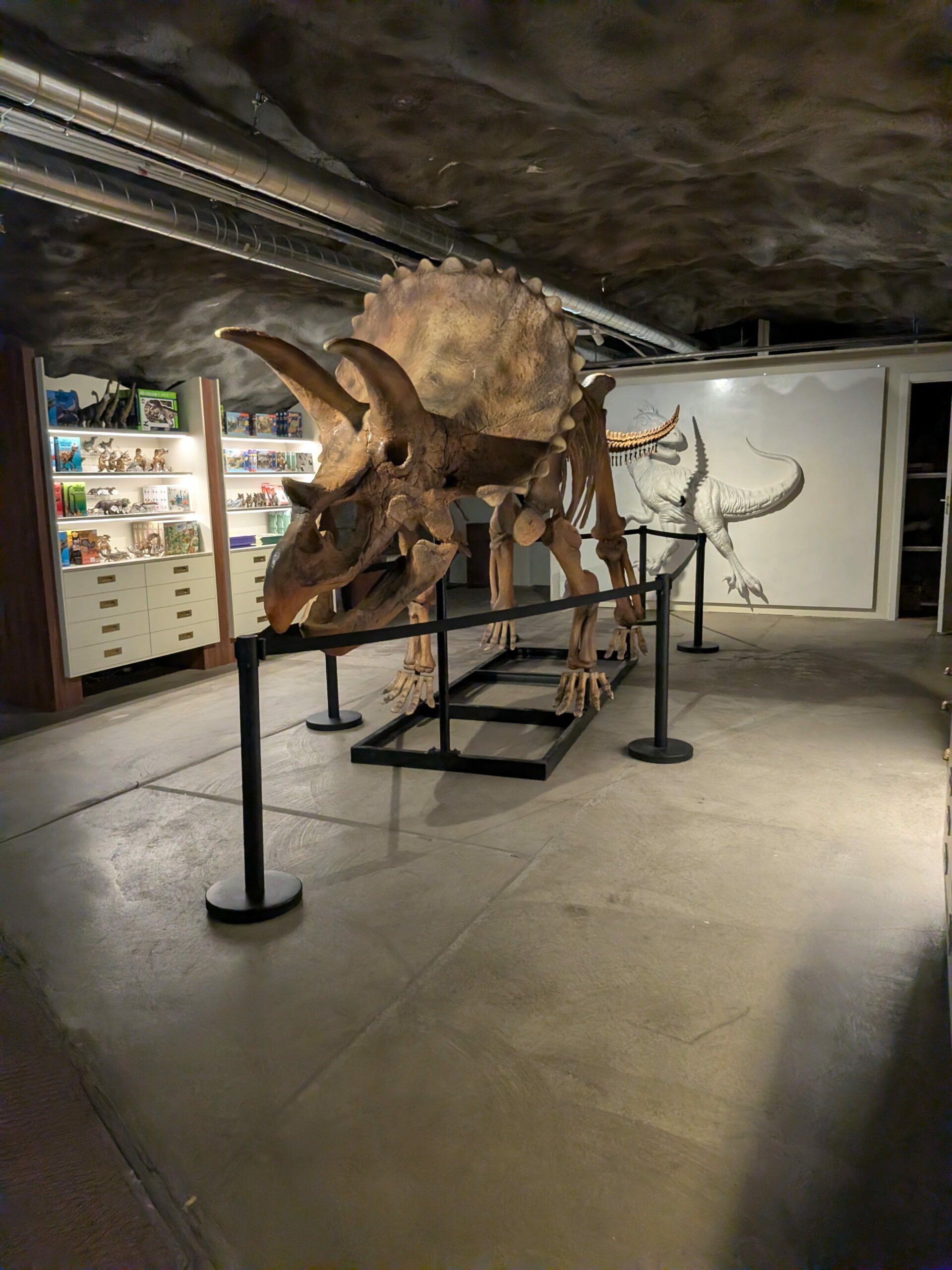
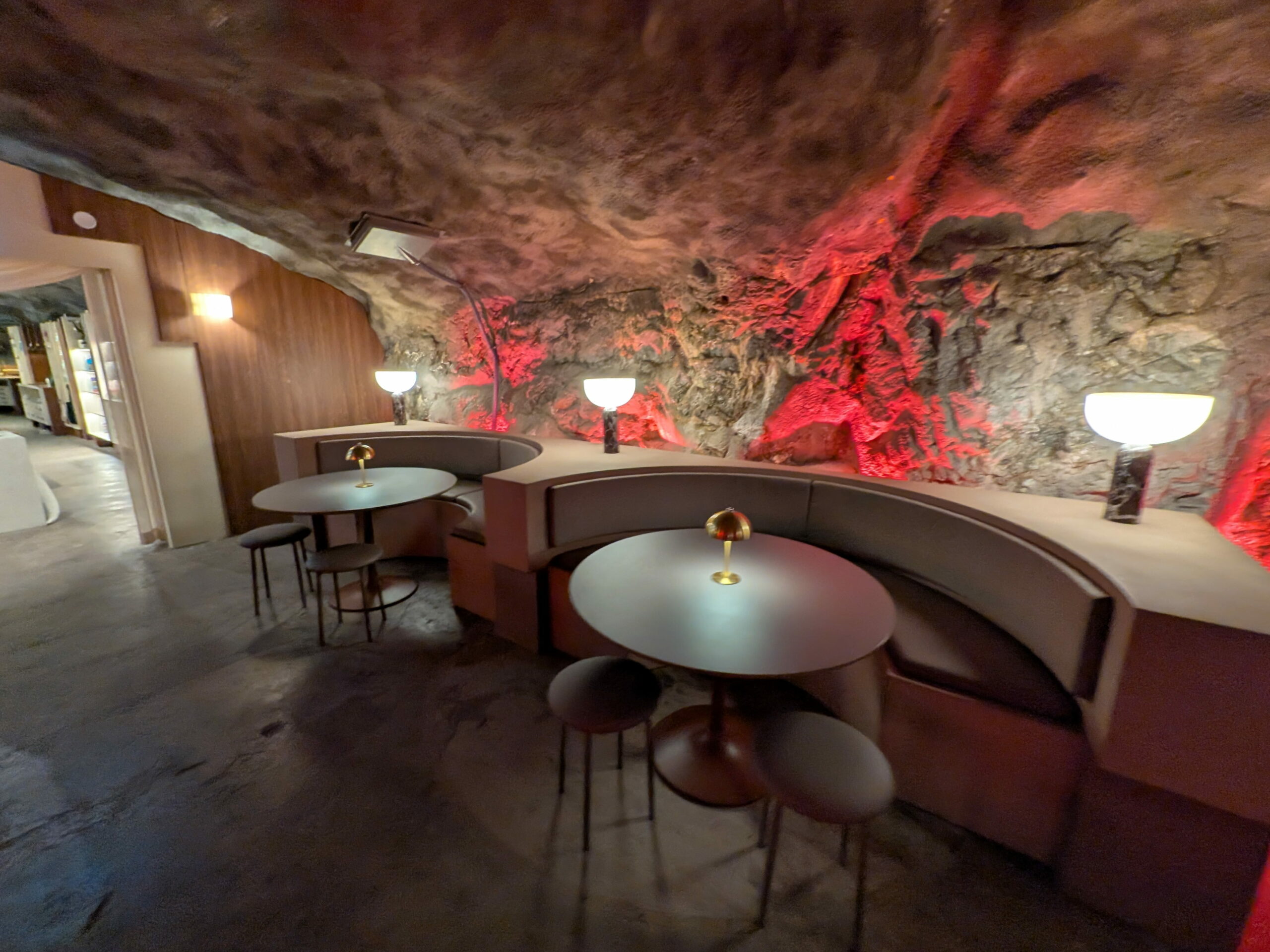
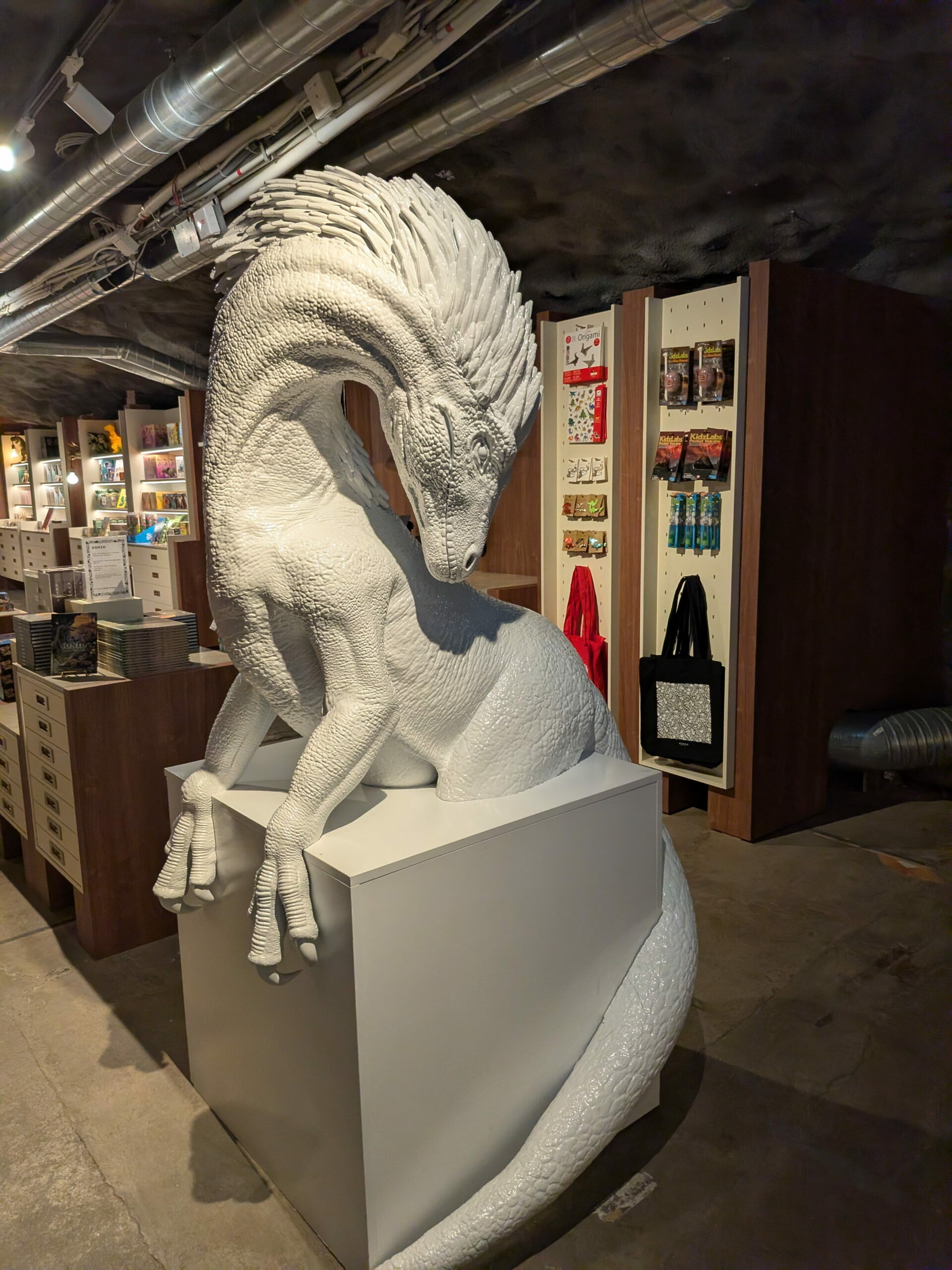
Janne Broman: Our business is quite simple. We have three kinds of products: tickets, food and drink, and the shop. There aren’t that many things that determine whether it’s a success.
Angelica Broman: If we can meet the forecast we used to finance the project, that’s a success. It means the business case held up.
Janne Broman: You can make the best estimates you can, but it’s tough to know how the numbers will turn out.
Angelica Broman: On opening weekend, we had some technical issues at the start. Even so, by two o’clock we felt we’d never done anything that had been received with such gratitude. A lot of people came up to thank us because they’d had a great time. Even if we hadn’t hit the numbers we wanted for the school break, I would still have called it a success because of the way people received it.
Janne Broman: In the first week, we saw families coming back two or three times. That’s a success. We’re also a privately owned and funded company, so we have to generate enough money to pay salaries and develop new things, whether in this building or elsewhere. That’s part of running a business.
A publicly run institution can measure success in other ways. In our case, the money we bring in pays people’s salaries. If we had to go back to our owners and ask for more money just to run the space, that would be a failure.
Alex Colard: As you expand, which parts of the experience can you standardise, and which will be unique to each city?
Janne Broman: You always start out thinking you’ll standardise everything. Then you find that most things are specific to the place. Some things can carry over, like the technology, the dinosaur manufacturers and the marketing. Even though this is a very unusual space, we’ve designed the shop in a way we hope we can reuse at the next location. We’ll see how that works in practice.
Angelica Broman: The shop assortment is another example. We’ll try to build our own hub. Maybe 75 percent of the assortment can be the same everywhere, with the other 25 percent adapted to each market.
Alex Colard: What did Fotografiska teach you that you decided to do differently at DINOS?
Janne Broman: Fotografiska was a steep learning curve for both of us because we’d never done anything like it before. We learned what worked and what to do differently. Over ten years, I opened three or four Fotografiska venues. There was a lot to learn from working in different cities, like New York, Tallinn and Berlin, and from learning how to operate those spaces.
Angelica Broman: It was a different time 17 years ago. We have much more control over the technology now, and we’ve built our own control system.
Janne Broman: I don’t think we could have done it that way back then.
Angelica Broman: Parts of it might have been possible, but it would have been very expensive.
Janne Broman: We actually started this project with the technology. We were building our own system for creating and running experiences, and DINOS became the first project. A space like this needs a good system. We couldn’t find one that did what we needed, so we built our own.
Angelica Broman: We also learned a lot about how to structure the organisation. Two days before opening, we brought everyone who works here together. We talked about what DINOS is, what we want to achieve, how we speak to people and how we behave. We never had time to do that at Fotografiska. Those things matter, along with knowing how to control and manage a space like this.
Alex Colard: What convinced your investors that DINOS could become an international brand?
Janne Broman: We have a track record with Fotografiska and with Paradox Museum, which has done very well in Stockholm and Gothenburg. That makes it easier to find investors. They have to believe in the idea and the business model, but they’re also backing you as an entrepreneur. They have to believe that you and your team can make it work. I think that’s the most important part of raising money.
Angelica Broman: We’ve also created an ecosystem around the experience. There’s the attraction itself, and then there’s the character and the books we’re writing. That can become its own universe. We’re starting with the first few books, and it could become a series of perhaps 15. It could grow into audio, visual projects, films or a series.
Over the past four years, we’ve been learning how to explain all those parts without making the idea feel too big or scattered. DINOS was the perfect project for that. A children’s book makes sense in a place like this. It might be harder to make that connection with an experience aimed entirely at adults. I think we helped investors see how the different parts can support one another and how each needs to be able to stand on its own.
Alex Colard: How do you keep a physical attraction distinctive if competitors can eventually reproduce the same technology?
Angelica Broman: In our case, I think that would be difficult because we built our own system. It covers everything from the ticket you buy to the sound you hear inside. We’re now approaching other operators, including potential competitors, about using it to run their own venues.
Janne Broman: There are already lots of dinosaur experiences around the world. You have to try to make yours the best and keep improving it. Paradox has been able to do that, and it now has around 17 or 18 locations worldwide. It’s a competitive market, and a lot of people are doing similar things. What matters is how you present, market, communicate and position the experience.
I’d expect people to try to do what we’re doing. I’d be surprised if they didn’t. The system we’ve built gives us a real advantage in efficiency and in the information we use to make decisions. An operation like this is all about numbers and people, but it’s often hard to get enough data or find the tools to make good use of it.
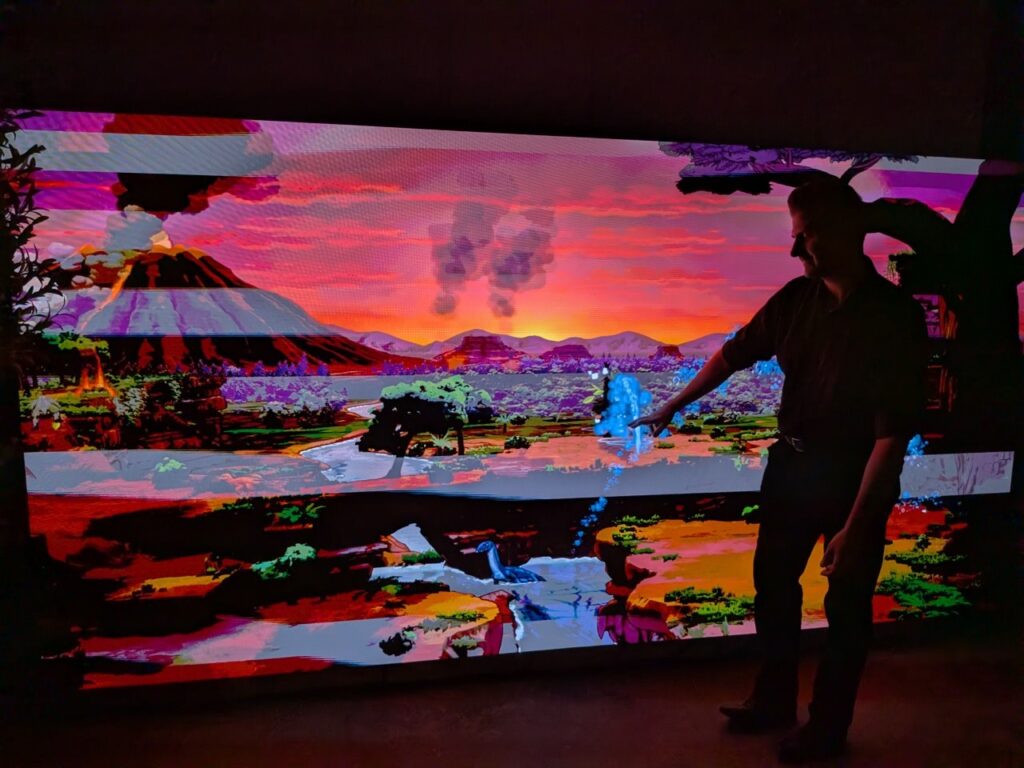
Alex Colard: What about the cave itself? It’s so specific to the Stockholm experience. Could you recreate that elsewhere?
Janne Broman: This is a one-off. I’d be very surprised if we found another one like it.
Angelica Broman: Maybe we’ll find another somewhere. It’s a hard thing to look for.
Alex Colard: And to build.
Janne Broman: The cave is complicated.
Alex Colard: When you’re choosing a city to expand into, what matters most? Tourism, local purchasing power, the economics of the venue, or something else?
Janne Broman: It’s a combination of all those things. At the moment, we’re mainly looking at second-tier cities to establish ourselves internationally. We want to go into the biggest cities too, but that comes later.
Angelica Broman: We don’t think a venue of this size would work in a city smaller than Stockholm. There are still plenty of cities between Stockholm and London.
Janne Broman: In London, we’d have to go twice as big. That would change the concept a bit and make it much more expensive. We need a little more practice before we do that.
Alex Colard: If you were starting your entrepreneurial journey today, with AI changing marketing and production, what would you build differently?
Janne Broman: We’ve taken an AI-first approach to this project from the start. AI has been extremely important to us. Three or four years ago, it would have been a totally different story.
Angelica Broman: Until April, it was basically just the two of us. I don’t think we could have worked that way without AI. It would certainly have taken a lot more.
Alex Colard: You know I love AI as well.
Janne Broman: It’s hard to imagine now how we used to build things without it. It’s such a powerful tool for the kind of work we do. You still have to use your own judgement. When you know your field well, you can get really good results from it.
Hearing the founders describe their journey adds another dimension to a visit to Dinos Experience. Behind the dinosaurs is a team eager to spark curiosity and give families something memorable to share. If you’re looking for an unusual outing in Stockholm, head beneath Skeppsholmen and discover this prehistoric world for yourself. TICKETS AVAILABLE HERE > Dinos Stockholm – Tickets – dinosexperience