





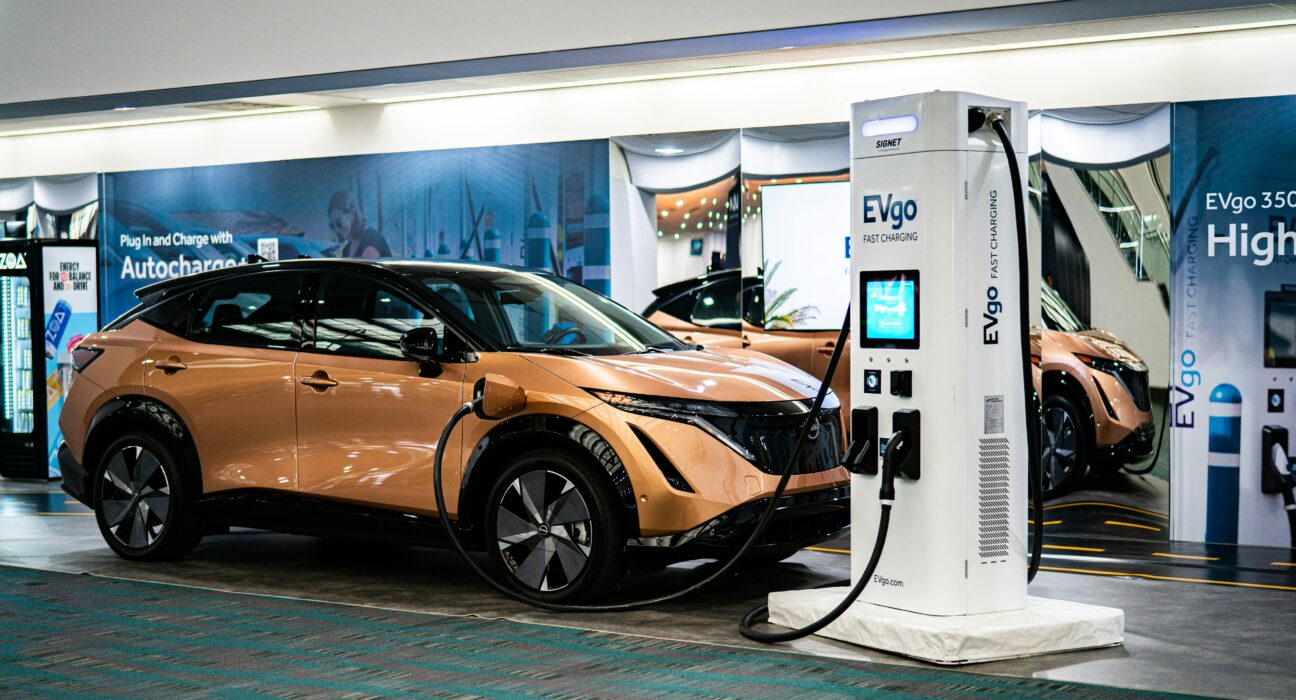
As Sweden already achieves the world’s second highest per capita sales of electric vehicles, the government’s focus has now turned to greater investment in charging infrastructure in order to lower emissions and meet ambitious climate goals. A lack of infrastructure could be a barrier to the even more widespread adoption of EVs. However, new stricter EU legislation requires the installation of more charging stations in commercial car parks, and a number of grants covering up to 70% of costs are available for investment in charging infrastructure for private homes and workplaces. Figures show that in 2022 there were already almost 4,000 charging stations in the city but this figure is rising rapidly. From providing consumers with the charging points they need to supporting alternative electric modes of transport, Stockholm is showing a strong commitment to sustainable innovation in urban transportation.
Helping Businesses to Benefit from Charging Points
Although Stockholm has paused a complete ban on petrol and diesel vehicles in the city centre, out of all the major European cities, it has one of the highest percentages of electric vehicles on the road. Incentives such as reduced parking fees and being able to use bus lanes encourage the use of EVs, and now European Union regulations are helping to ensure that drivers have easier access to charging stations. An EU Energy Performance of Buildings directive that came into force at the beginning of 2025 requires commercial properties with 20 or more parking spaces to provide at least one EV charging point for use by customers. Stricter regulations will be applied in 2027 when one charging point will be required for every ten parking spaces. While regulations will help to meet consumer demand for charging points, businesses will also benefit from an increase in the number of charging stations. As well as reducing a company’s carbon footprint, accessible and reliable EV infrastructure also helps to attract and retain more employees and customers who choose to drive electric cars.
Maximising the Potential of EV Chargers
As the use of EVs become more widespread, ensuring their charging requirements are adequately met is essential. A recent study has revealed that there is currently no universally accepted EV to charger ratio which could lead to charging locations being under- or overutilized depending on their location. A review carried out by the Stockholm Environment Institute outlines recommendations that could improve charging infrastructure planning. Deploying charging stations more efficiently and ensuring that they are placed in the most appropriate locations could ensure that the potential of EV chargers in diverse national markets is maximised. Each charger has the capacity to support 135 vehicles and yet the global average is just 11 vehicles per charger. While the mean charging demand is greatly exceeded in Sweden, Stockholm can still benefit from new recommendations and use them to inform future developments in charging infrastructure.
Providing Mobile Chargers for Maritime Vehicles
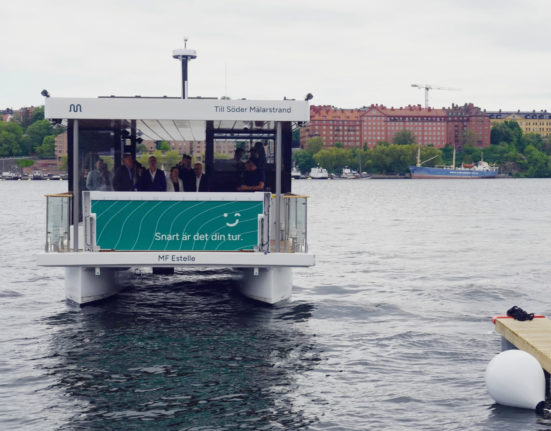
As Sweden is a harbour city spread over 14 islands, cars and trucks are not the only electric vehicles in regular use that require charging. With the increased electrification of maritime transportation, there is growing demand for charging stations for boats and ferries. The first mobile fast charger for electric boats with an output of 200kW has now been installed in central Stockholm. Here it will primarily be used to charge the hydrofoil ferry used by commuters between Ekerö and the City Hall where the charger is located. As the charger is fully portable, it can be moved to meet seasonal requirements and, in the future, similar mobile and scalable chargers have the potential to meet the growing demand of private and commercial boat operators.
Stockholm is successfully matching the increase in use of electric vehicles with the development of the infrastructure required to support continued growth in the EV market. As businesses adhere to new directives, they are also able to meet increasing consumer demand for charging stations while at the same time meet ambitious sustainability goals. By implementing strategies for maximising the potential of EV chargers, and providing additional support for alternative modes of transportation, Stockholm continues to lead the way in sustainable transportation.