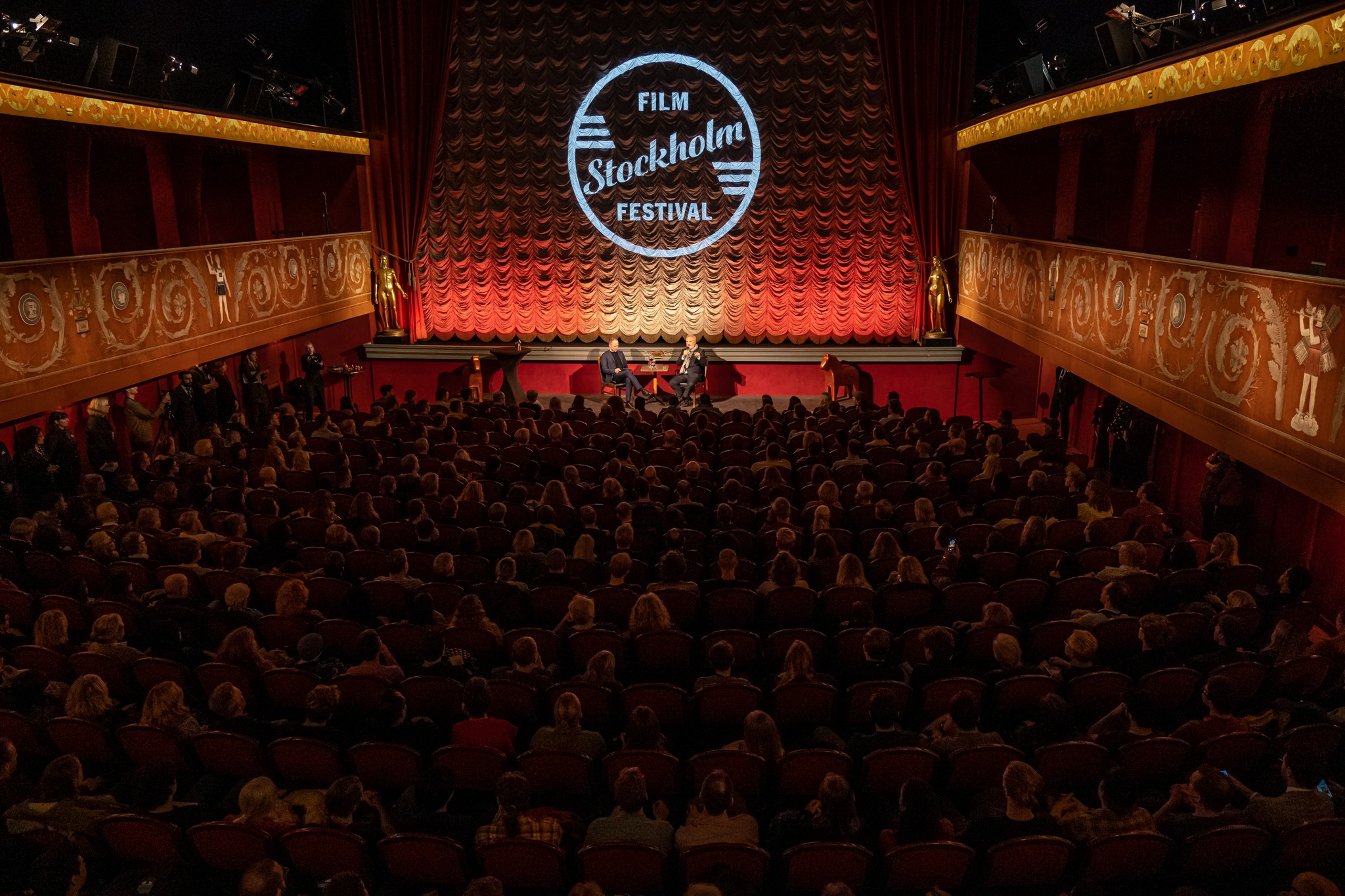



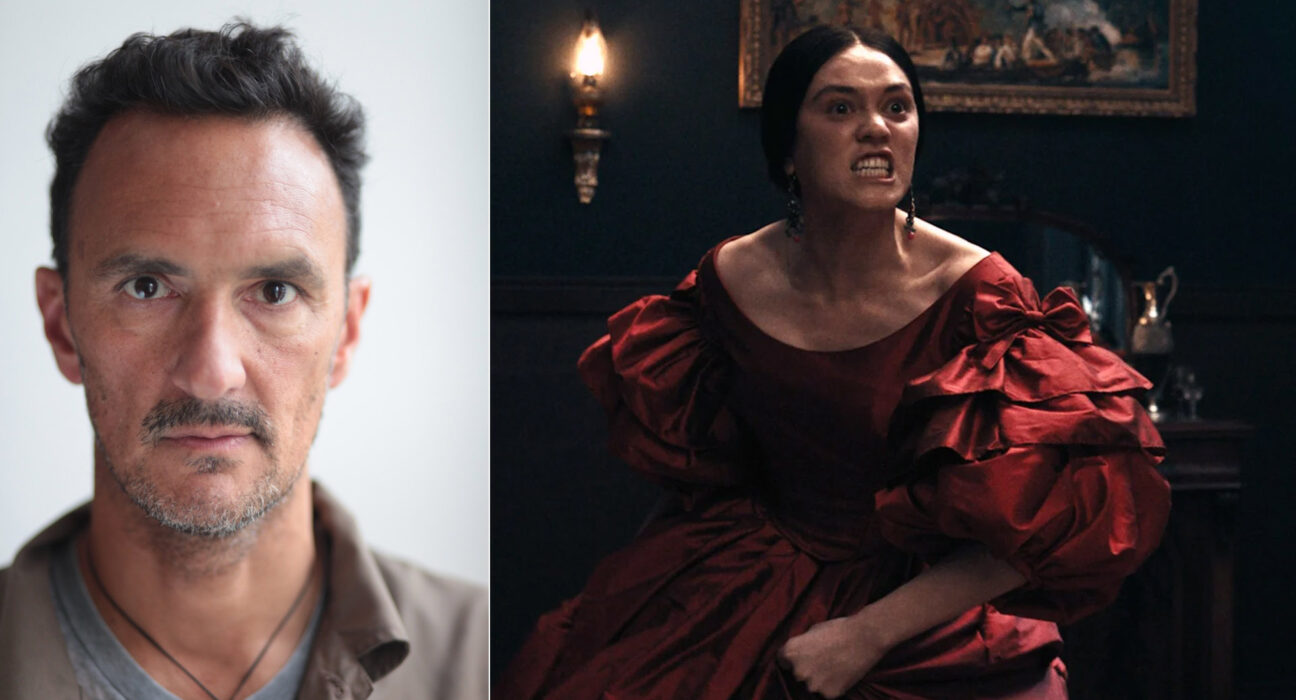
Film director Taratoa Stappard visited the Stockholm International Film Festival to present the Swedish premiere of his feature film debut Mārama — a genre-defining Mauri Gothic horror that has been making waves at festivals across the world. We had the chance to sit down with him — perhaps not in the same physical room, but certainly within the same space of mystery, heritage, and symbolism.
Watch our exclusive interview with director Taratoa Stappard below, where he reflects on the making of Mārama, the philosophy behind Mauri Gothic, and how storytelling can reconnect us with the spiritual essence of our origins.
About Mārama
The year is 1859, and when a young Māori woman named Mary receives an unexpected invitation to England, she embarks on a journey to explore her roots and reconnect with her ancestry. Upon arrival, she is welcomed into a grand Victorian mansion filled with Māori artefacts — relics of her culture that have been displaced and recontextualized by colonial hands. There, she becomes governess to the daughter of a British family, but soon discovers that there are dark motives behind her invitation. What begins as curiosity transforms into a haunting quest for justice, as Mary decides to reclaim her power and take revenge.
Mārama unfolds as a chilling and stylish revenge thriller, exploring the psychological and spiritual toll of colonial oppression. Its atmosphere is rich and immersive — a cinematic language that draws from gothic traditions yet feels profoundly rooted in Māori cosmology and philosophy. Actress Ariana Osborne delivers a stunning performance as Mary, her presence commanding and enigmatic, reminiscent of Lily-Rose Depp’s haunting turn in Nosferatu.
The word Mārama in Māori means light, but also understanding — a duality that sits at the heart of the film. In Taratoa Stappard’s hands, this light doesn’t simply illuminate; it exposes the shadows of history. The film’s layered storytelling, visual poetry, and ancestral motifs create an experience that transcends horror — it becomes an act of remembrance, healing, and reclamation.
Stappard’s vision redefines what we think of as gothic — fusing Aotearoa’s spiritual heritage with Victorian symbolism to create a new cinematic language: the Mauri Gothic. It’s a world where every whisper, every ancestral chant, and every flicker of candlelight carries meaning.
A Legacy Remembered
Mārama is drenched in symbolism and metaphor, each scene loaded with ancestral and philosophical substance. The story reminds us that to continue evolving as humans, we must not lose sight of where we came from — our lineage, our collective memory, and even our mistakes. It is only through remembering and acknowledging the past that we can transcend it.
The film serves as both a mirror and a meditation — a reminder that heritage and healing are not opposites, but parts of the same breath.